The Savior of Luxury: How Tom Ford Resurrected Gucci from Near Bankruptcy
In the early 1990s, Gucci was a brand in name only. Riddled by family feuds, licensing mismanagement, and a lack of creative direction, the house was losing millions and facing imminent bankruptcy. Then came an American designer from Texas who would not only save the brand but redefine the entire luxury landscape: Tom Ford.
When Tom Ford was appointed Creative Director in 1994, he inherited a company that many in the industry viewed as a "has-been." Working alongside CEO Domenico De Sole, Ford implemented a radical transformation that prioritized a singular, high-octane vision over the scattered, logo-heavy approach of the past. It was a lesson in brand surgery that remains the gold standard for luxury turnarounds today.
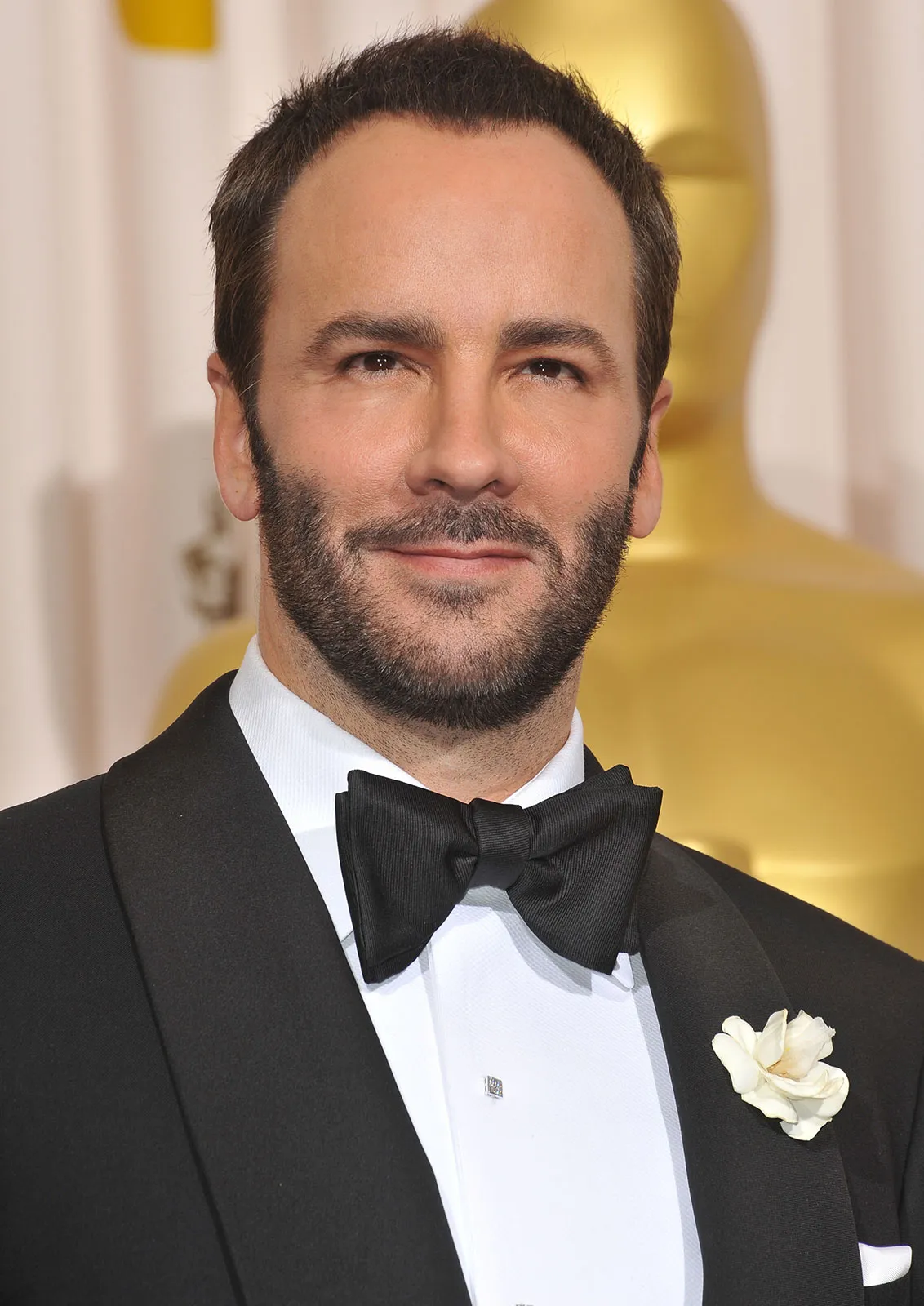
Tom Ford: The visionary designer and filmmaker.
The Collection That Changed Everything
The turning point occurred in March 1995. Ford presented a collection of emerald velvet hip-huggers and jewel-toned satin shirts unbuttoned to the navel. It was glamorous, dangerous, and undeniably sexy. Overnight, the fashion world shifted its gaze back to Milan. The collection wasn’t just a critical success; it was a commercial juggernaut.
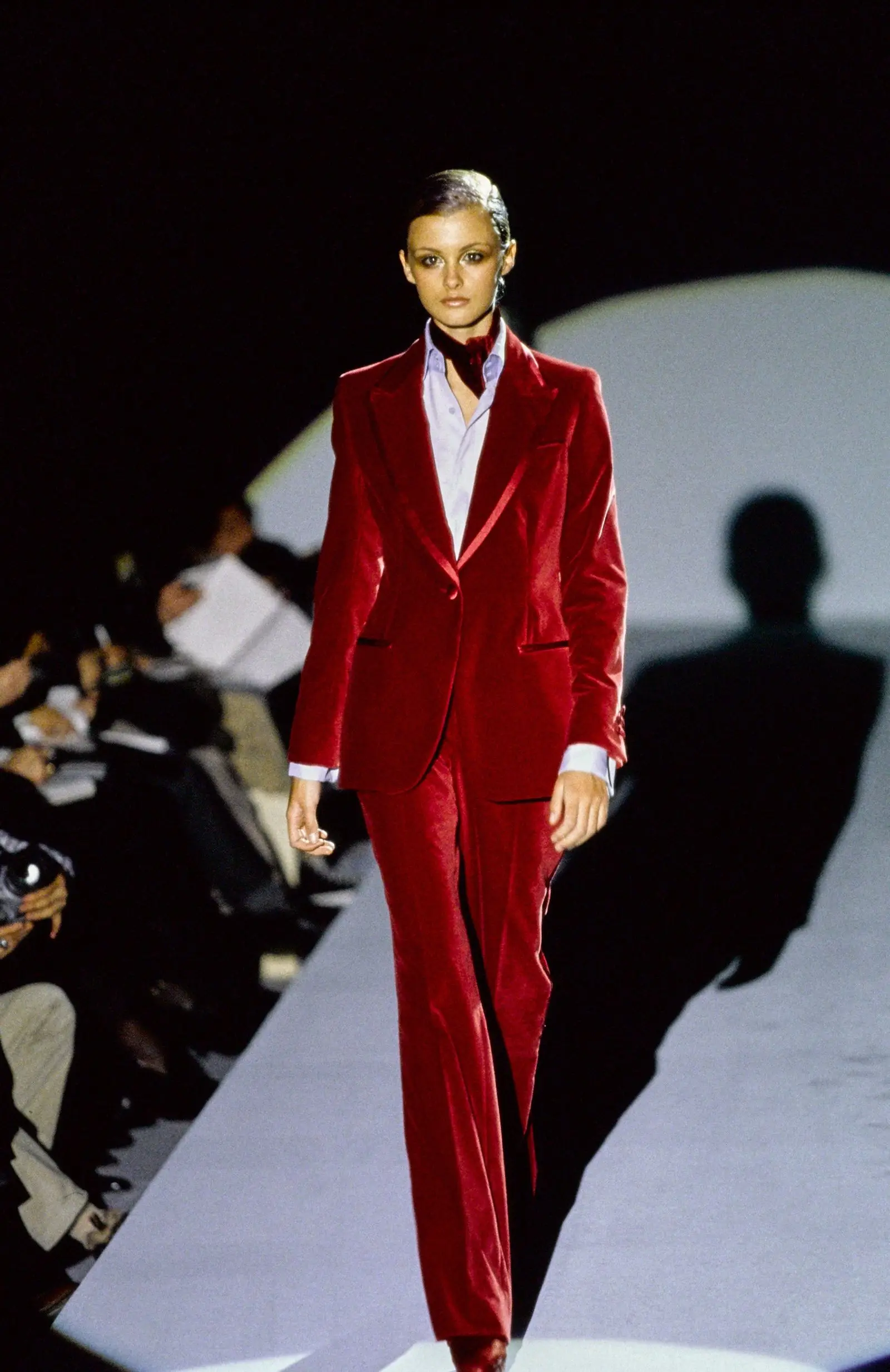
The iconic 1995 red velvet suit.

The 1996 sculptural cutout gowns.
The business turnaround was as dramatic as the clothes. In 1994, Gucci’s revenue was a mere $230 million. By the time Ford and De Sole departed in 2004, they had transformed Gucci into a global powerhouse with $3 billion in annual sales. Key to this growth was the 1995 IPO, which was massively oversubscribed and provided the capital to effectively form the Gucci Group (now Kering).
The "Porno Chic" Era
Ford didn’t just design the clothes; he designed the image. Collaborating with photographer Mario Testino and stylist Carine Roitfeld, he pioneered a provocative aesthetic known as "porno chic." The advertisements were controversial, sexually charged, and impossible to ignore. They didn’t just sell bags and shoes; they sold an aspirational lifestyle of unapologetic hedonism.

The provocative imagery of the early 2000s defined an era of luxury marketing.
At SAINT DLOVE, we look to the Tom Ford era as a masterclass in intentionality. Ford understood that luxury is not just about the product; it's about the feeling of exclusivity and the power of a unified creative voice. His influence on the "Wild-Minimalist" aesthetic—where sharp tailoring meets raw, unfiltered edge—is a cornerstone of our own design DNA.
"Fashion is about more than just clothes; it’s about a feeling of power and desire." — Tom Ford
Tom Ford brought the sex back to fashion and the luxury back to Gucci. Today, the "Tom Ford years" are remembered as the golden age of the brand—a period when Gucci wasn’t just following the culture; it was the culture.