The Dior Revolution: How John Galliano Made Haute Couture Profitable
In the late 1990s, John Galliano revitalized the house of Dior with a high-octane theatricality that made haute couture both a critical and commercial success. His tenure as Creative Director (1996-2011) was one of the most remarkable periods in the history of the house.
Galliano's approach was a radical departure from the refined elegance of the 50s. He prioritized a flamboyant, often controversial aesthetic that celebrated the power of storytelling. His designs were characterized by intricate craftsmanship, historical references, and a sense of unapologetic drama.

John Galliano: The architect of Dior's theatrical era.
A Masterclass in High-Octane Luxury
Under Galliano's direction, Dior became the undisputed leader of the haute couture world. His ability to create spectacular runway shows was legendary. From the Saddle Bag to the intricate gowns, John ensured that Dior was always the center of the fashion conversation.

The iconic Dior Saddle Bag.

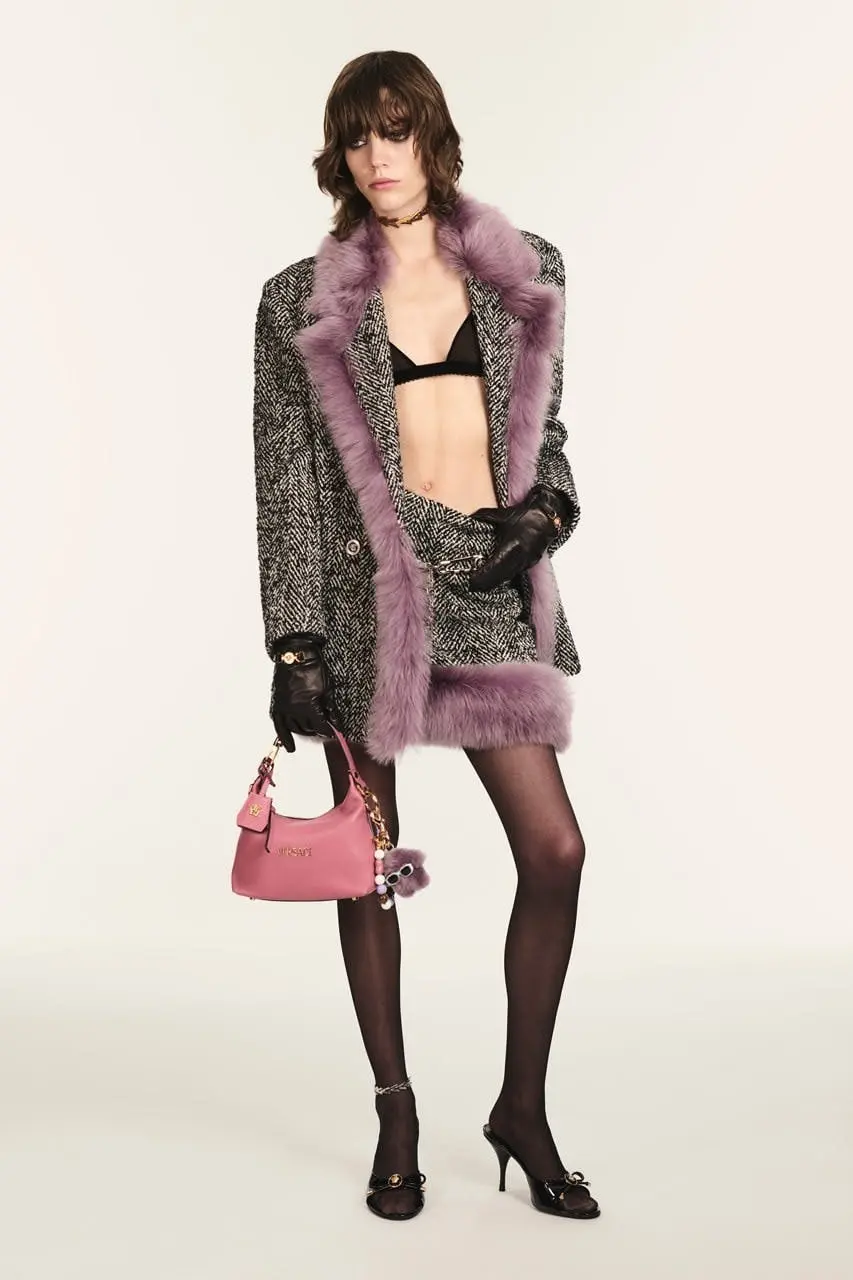
A study in theatrical luxury.
The business of Dior flourished under his watch. In 1996, the house was a relatively small player in the LVMH portfolio. By 2011, it was a multi-billion dollar brand with over $1.5 billion in annual sales. Galliano proved that a theatrical, high-fashion aesthetic could be a commercial powerhouse.
The Influence on SAINT DLOVE
At SAINT DLOVE, Galliano's influence is evident in our commitment to storytelling. We admire his ability to blend historical references with a strong sense of purpose. His ability to push the boundaries of what a fashion show could be is a key inspiration for our own narrative-driven collections. Galliano taught us that fashion is a language of ideas.
"Fashion is more than just clothes; it’s about a feeling of power and desire." — John Galliano
Today, the house of Dior stands as a monument to John Galliano's genius. He taught us that a designer's role is not just to create beautiful things, but to be the architect of a world that people want to inhabit.