Virgil Abloh’s Legacy: How Off-White and Louis Vuitton Redefined Streetwear Luxury
The fashion world before and after Virgil Abloh are two entirely different universes. As the founder of Off-White and the first Black Artistic Director of Men’s Wear at Louis Vuitton, Abloh didn’t just design clothes—he re-engineered the cultural operating system of luxury. His legacy is the definitive blueprint for the "New Guard," where the energy of the street and the precision of the atelier exist as a single, high-fidelity frequency.
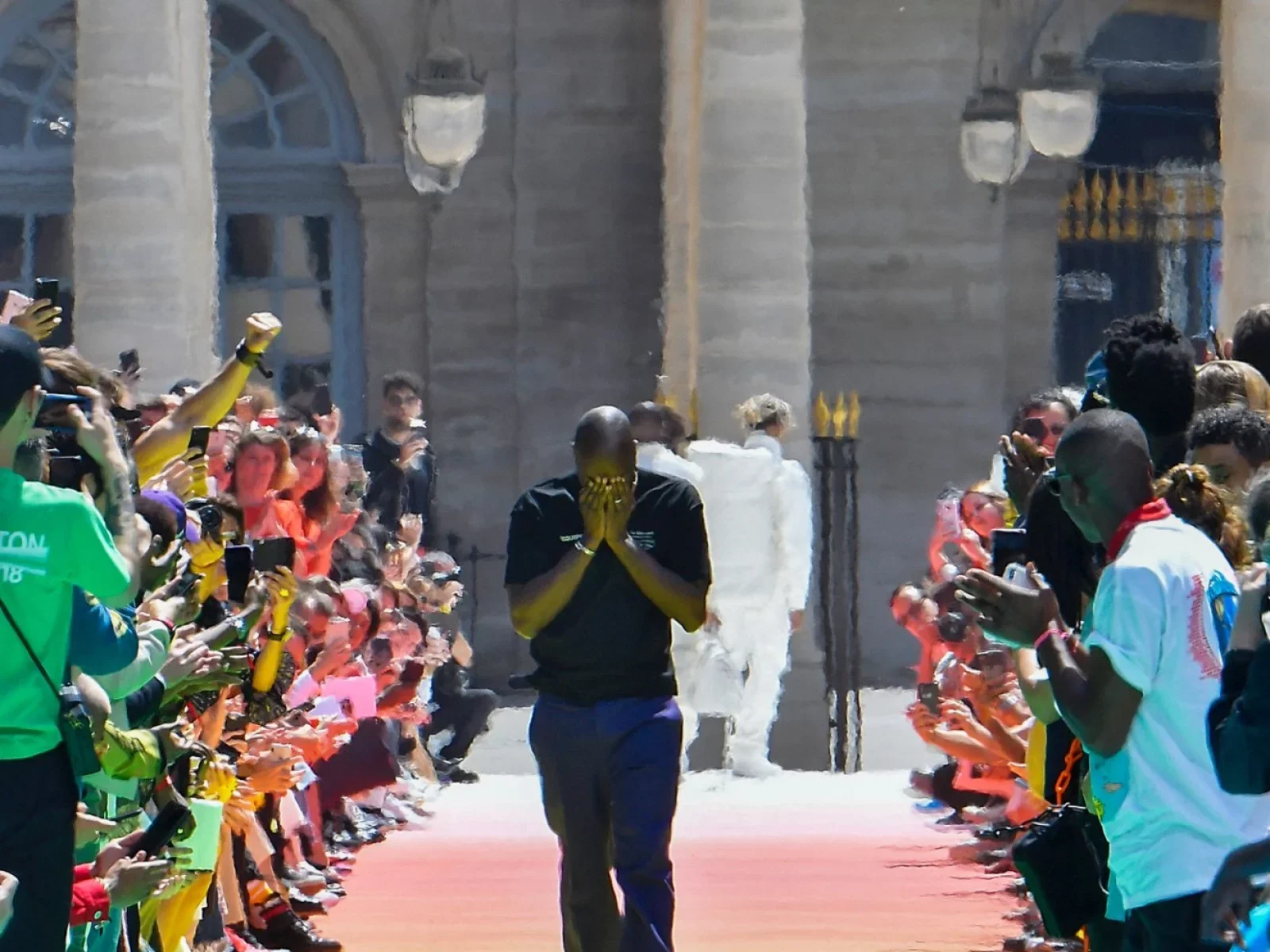
Virgil Abloh: The Architect of the New Guard.
Who Was Virgil Abloh?
Born in Rockford, Illinois, in 1980, Virgil Abloh was a polymath—an architect, DJ, and creative director who bypassed the traditional fashion hierarchy. He rose to prominence as the creative consultant for Kanye West before founding his first label, Pyrex Vision, and subsequently launching Off-White in 2013. By 2018, his historic appointment at Louis Vuitton cemented his position as the most influential figure in modern luxury.
How Off-White Redefined Streetwear
Before Off-White, "streetwear" was often dismissed as a subculture. Abloh changed this by treating the hoodie and the sneaker with the same reverence as a couture gown. Through his "3% Rule"—the idea that a classic object only needs to be altered by 3% to become something new—he introduced irony and quotation marks into the luxury vernacular. Off-White became a dialogue between the museum and the street, proving that high-fashion could be both intellectual and accessible.
Virgil Abloh at Louis Vuitton: A Cultural Shift
When Abloh took the helm of Louis Vuitton Menswear in 2018, he didn’t just change the collections; he changed the audience. His debut show at the Palais-Royal, featuring a rainbow runway, was a global signal of inclusion. He brought "Tourist vs. Purist" logic to the brand, catering to those who were new to luxury as well as those who grew up in it. Under his direction, Louis Vuitton became a platform for social change, artistic collaboration, and cultural storytelling.
How Virgil Abloh Changed Luxury Fashion
Abloh’s impact can be summarized by three major shifts in the industry:
- The Democratization of Luxury: He broke the gates of the fashion elite, allowing streetwear and digital culture to define the front row.
- The Collaborative Model: From Nike to IKEA to Mercedes-Benz, he turned collaboration into the primary currency of brand relevance.
- The 360-Degree Creative: He proved that a designer must be a cultural architect, managing everything from soundscapes to digital communities.
Why His Influence Still Dominates 2026
In 2026, we see Abloh’s DNA in everything we track at SAINT DLOVE. Whether it’s the Kai Cenat luxury pivot or the way we style Louis Vuitton heritage pieces, the logic is the same: luxury is an identity system, not just a price point. Virgil taught us that fashion is a medium for ideas, and the "New Guard" continues to build on the foundations he laid.
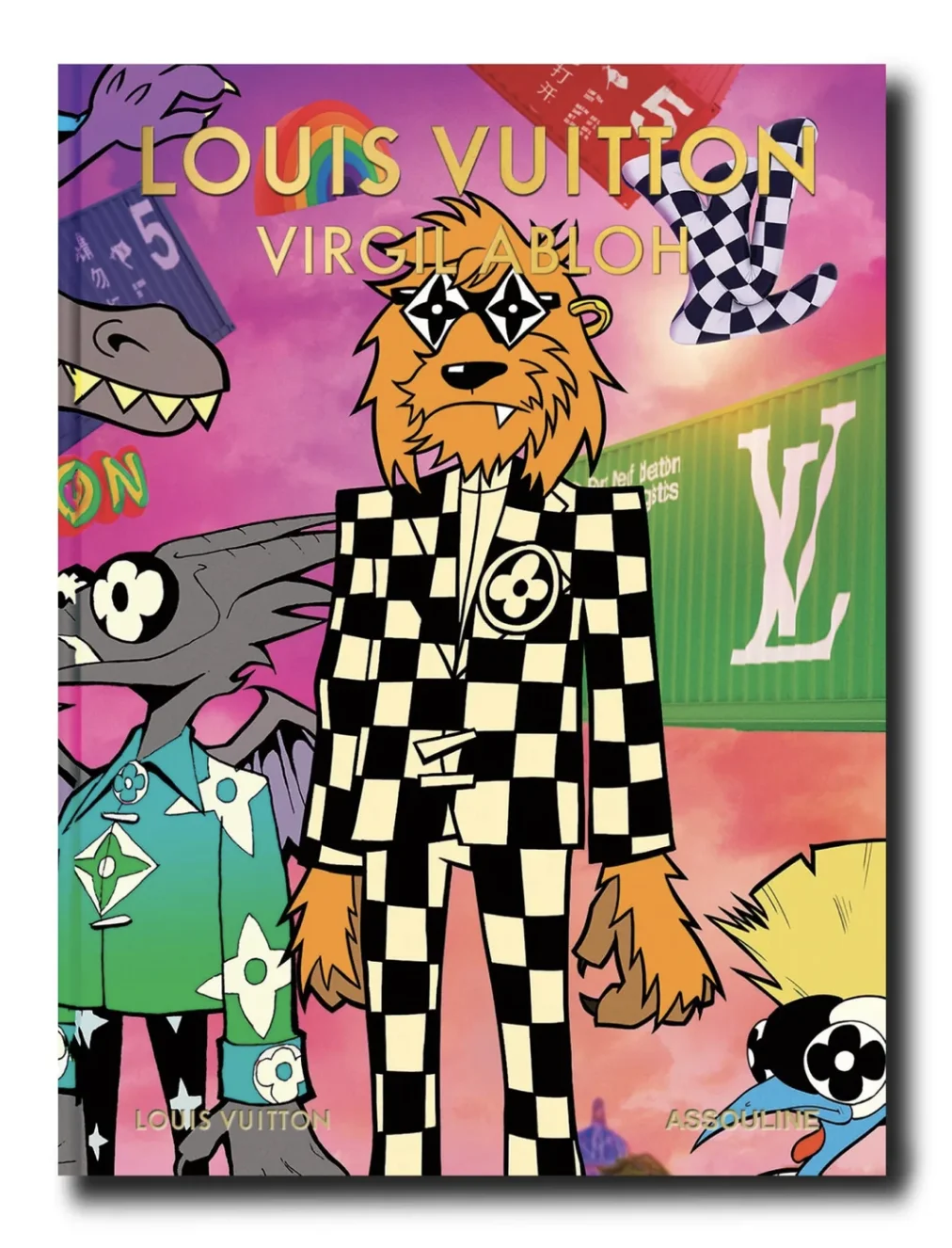
The Virgil Abloh design manifesto.

A study in modern luxury streetwear.
FAQ: Virgil Abloh’s Legacy & Impact
Who was Virgil Abloh?
Virgil Abloh was a groundbreaking creative director, architect, and DJ who founded Off-White and served as the first Black Men’s Artistic Director at Louis Vuitton.
How did Virgil Abloh change fashion?
He fundamentally bridged the gap between streetwear and luxury, introducing high-fidelity cultural storytelling and the "3% Rule" to the fashion vernacular.
What is the Virgil Abloh 3% Rule?
A design philosophy stating that a classic object only needs a 3% modification to be transformed into a new, original creative work.
Explore the SAINT DLOVE Ecosystem:
- TREND AUTHORITY: Kai Cenat & the New Front Row: Why Streamers Control Fashion
- MONEY PAGE: Ibiza Outfit Ideas 2026: The 7-Day Luxury Capsule Wardrobe
- ACCESSORIES: How to Style a Louis Vuitton Silk Scarf: 3 Luxury Resort Outfit Ideas
- FOOTWEAR: Prada Loafers vs Gucci Slides: Best Luxury Resort Shoes 2026
SHOP THE NEW GUARD EDIT
Explore our collection of luxury streetwear and resort staples inspired by the architects of the modern era.
EXPLORE THE COLLECTION